According to the Pilates & Prayer class description, what does the class focus on?
Select one answer.
Why prayer and Pilates fit together
If your workouts leave you physically tired but mentally scattered, the problem may not be the exercise — it may be the missing intention. Pilates asks you to focus on your breath and your form, while prayer asks you to focus on God. Beginning a workout with prayer turns intentional movement into a quiet act of worship (PrayersGrace).
That overlap is why so many studios now run classes that blend mindful movement with moments of quiet prayer and reflection, focusing on breath, core connection, mobility, and strength (Pilates & Prayer class description). You do not need a studio to do this. You need a mat, a timer, and a plan.
Start with breath, not with reps
Pilates is built on controlled movement and steady breathing. Prayer is built on attention. Pair them by making the breath the bridge.
- Inhale for four counts as you prepare a movement.
- Exhale for four to six counts as you execute it.
- On each exhale, release one worry or name one thing you are grateful for.
This is the same principle behind structured "prayer training," where a prayer portion is repeated as frequently as the exercise portion so the two stay interwoven rather than stacked one after the other (Faith & Fitness Magazine).
A simple 20-minute prayer Pilates routine
Use this as a template. Adjust the repetitions to your level.
- Centering (2 minutes). Sit cross-legged. Hands together at your chest. Breathe slowly and set one intention for the session.
- Breath and spine (3 minutes). Cat-cow or seated spinal rolls. Inhale to lengthen, exhale to round.
- Core connection (5 minutes). Dead bug or pelvic tilts. Keep the low back supported. Exhale on each extension.
- Prayer push-up series (5 minutes). Elbows stay close to the body, driving through chest and shoulders while resisting spinal sway. Add a narrow tricep press to increase trunk stability (pilateswithmads_).
- Stillness (5 minutes). Lie on your back, knees bent. Breathe and pray without moving.
A common verse used in these classes is Psalm 46:10 — "Be still, and know that I am God" — which fits the closing stillness segment well (Humbled Wellness).
Set up a space that supports both
You do not need a dedicated room, but you do need a few consistent cues.
- Same spot, same time. Consistency trains your body to settle faster.
- Phone on silent, face down. Notifications break the reflective rhythm.
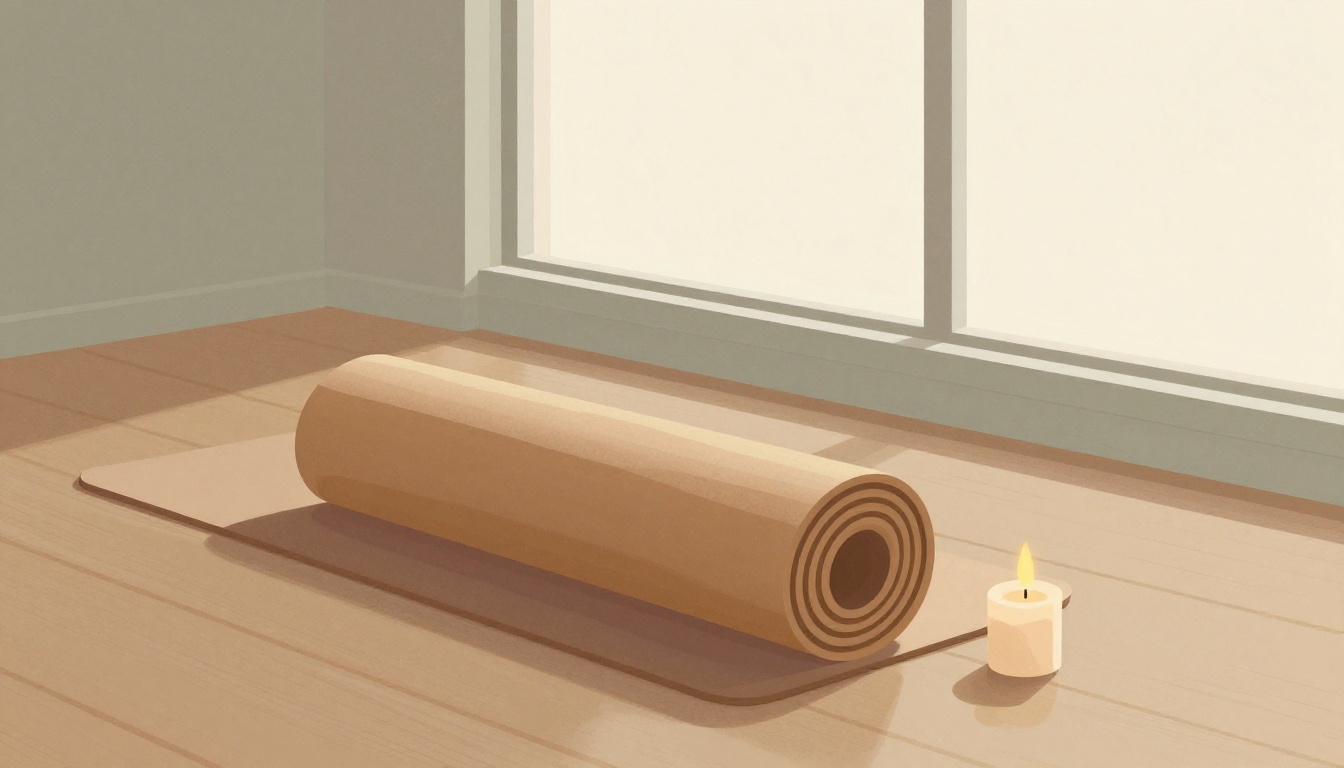
- One visual anchor. A candle, a cross, or a printed verse near your mat.
- Mat and water within reach. Reduce the reasons to stop.
If you prefer a group setting, many communities run evening or weekly formats that combine movement, worship, and fellowship, sometimes with a giving component attached (Soulform Pilates event).
Common mistakes to avoid
- Treating prayer as a warm-up only. Weave it through the whole session, not just the first two minutes.
- Chasing perfect form over presence. Form matters, but so does showing up distracted and staying anyway.
- Skipping the stillness. The closing minutes are often where the practice actually lands.
- Making it too long to repeat. Twenty minutes you do four times a week beats sixty minutes you do once.
Quick checklist before you begin
- Mat, water, timer ready
- Phone silenced
- One intention named out loud or written down
- Breath pattern chosen (inhale four, exhale four to six)
- Closing stillness built into the plan
How the Featured Expert Can Help
Mh Pilates And Wellness is a local Pilates studio in Newport, NC, offering faith-filled classes for men and women of all ages. The studio focuses on mindful movement as a sacred practice — building strength, restoring balance, and nurturing inner peace in a supportive environment. They invite you to book a free consultation to see whether their approach fits your needs. You can learn more at Mh Pilates And Wellness.